Rosier – Between Light and Shadow
Rosier
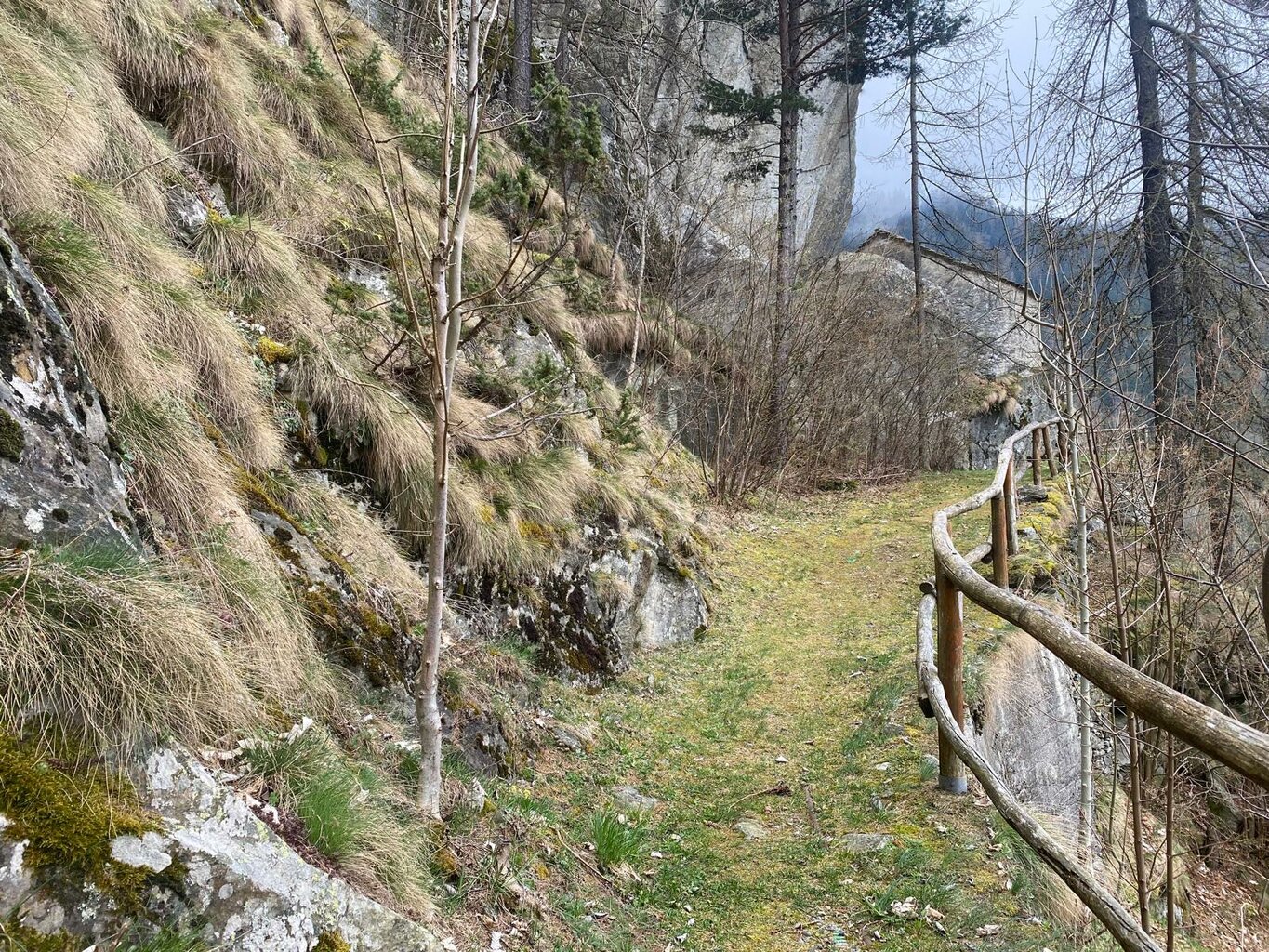
Walking along the variant of the Au fil de l’eau trail, between the villages of Mellier, Petit-Rosier and Grand-Rosier, you find yourself in an area that tells a story of sunlight, forests, and silent adaptations.

Here we are on the Adret side of the Champorcher valley: the sunny slope, where the light warms for longer and the climate is drier. But if you look towards the Dora Baltea, the main valley of the Aosta Valley, you are instead facing the Envers, the shadier and colder side.
In this play of perspectives, the orientation of the mountains changes everything: it shapes the climate, the vegetation, land use, and even the history of settlements.
Adret and Envers: a key to reading the mountain
- Adret (from the patois “straight slope”) is the side exposed to the sun.
Here, the environment is drier, snow melts earlier, and the forest opens up to downy oaks, Scots pines, birches, and larches.
In the past, this slope was chosen for vineyards, orchards, and cereal crops. - Envers, on the other hand, is the shady side, where winter lasts longer.
Here grow silver firs and spruces, beeches, and Swiss stone pines: species that thrive in shade and humidity.
The Envers slopes were less inhabited, often covered with dense forests, harder to cultivate.
A forest that changes with altitude
In this area, the forest reflects the full complexity of the Adret:
at lower altitudes you find broad-leaved trees; climbing higher, Scots pines, spruces, larches, and the mountain pine appear.
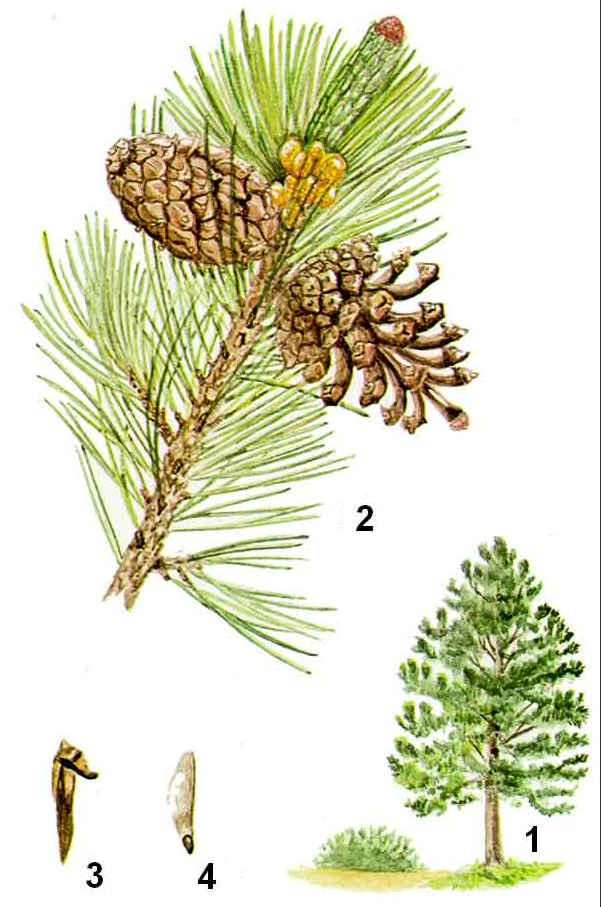
The mountain pine (Pinus uncinata) is a rare and precious species in the Aosta Valley.
It grows in high mountain areas, but here – as in a few other places – it manages to descend lower, mixing with the Scots pine.
Above the villages of Petit and Grand Rosier lies a special area: a natural hybridization zone, where the two pines cross and give rise to unique populations.
This part of the trail is an invitation to see the forest not just as a backdrop, but as a living protagonist, in constant dialogue with the sun, the soil, and humankind.
In every glimpse, a landscape carved by light and by time.
Listen to the story
Suggested activities for kids
Game: Colors and Shapes of the Forest
Find 3 different colors in Nature around you. Which one is your favorite? Try giving it a special name.
This image represents a hooked pine cone. Try to find one on your walk. Use the picture to help. What do you think makes its tree “hooked”? When you get home, check with an adult if your guess was right.

Suggested activities for adults
Mellier‑Rosier: A panorama from Grand Rosier
Admire Champorcher valley from a viewpoint atop Grand Rosier.
Walk through its hamlet and find a spot where your eyes encompass the valley floor.
Before you spreads the landscape of verdant forests—high-altitude conifers like firs, pines, and larch; lower down chestnut groves, hazelnuts, mulberry, and beech.
The Ayasse stream has carved this valley with waters from alpine lakes above, giving us a unique ecosystem to love, respect, and preserve.
Explore the variant
The next station is “Echelly – A Place Suspended in Time”